
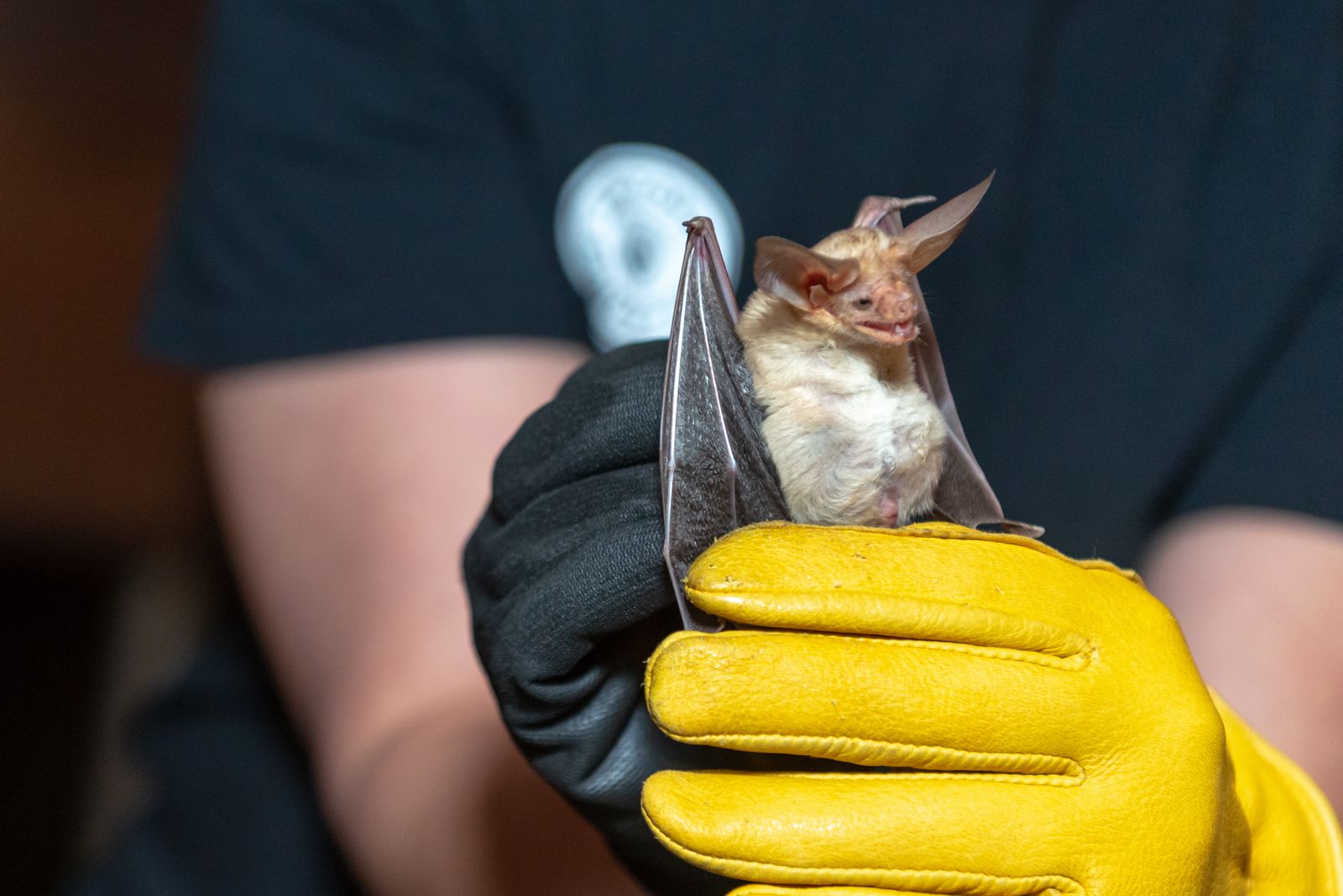
Today is Halloween, a time of treats, scares, and much more. With Halloween comes some pretty noticeable symbols, like pumpkins, spiders, and bats. Did you know that Arizona is one of the most diverse states when it comes to bat species? A lot of people are afraid of bats, leaving them wildly misunderstood. They are not nearly as scary as people think; in fact, they play a vital role in our ecosystem.
Arizona has 29 different species of bats living within our borders, and most people don’t even know it! They can be incredibly helpful to us humans and to our ecosystem.
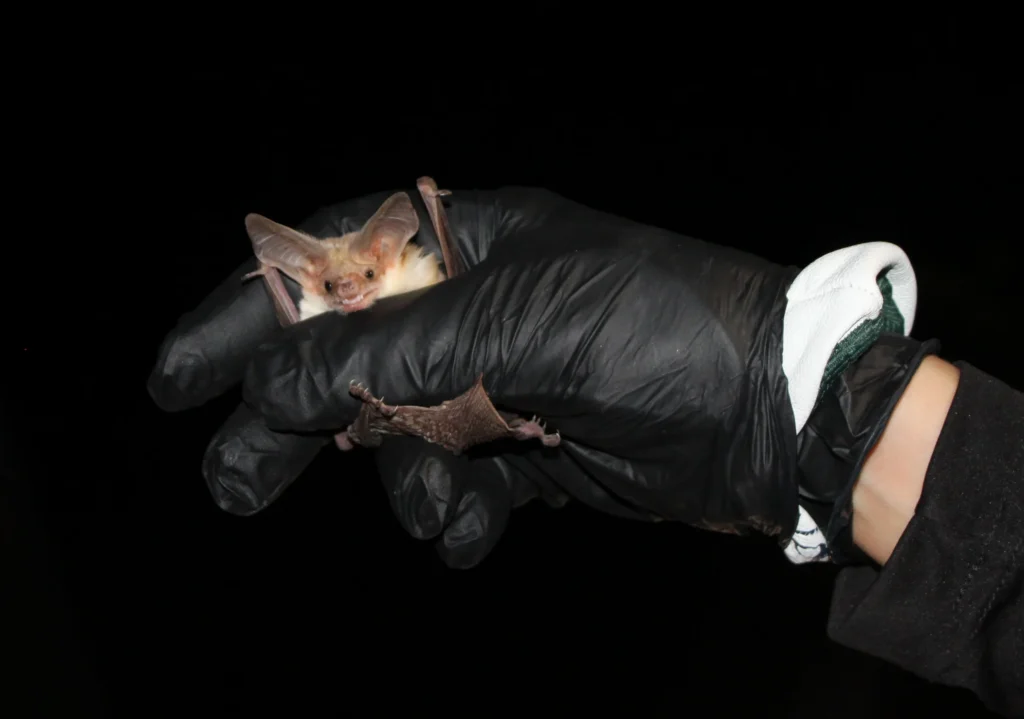
Bats prey on insects, making them a wonderful deterrent that helps us to control the bug population. There’s a good chance that if you’ve been under streetlights at night, you’ve seen a bat flying around to catch the bugs that are attracted to the light. They also use something called echolocation to help them find their way. They will send out a sound (much too high-pitched for our ears!), and as that sound travels, it will bounce against objects in the environment; the change in sound lets a bat know where something is.
However, just because they use echolocation to help them see, bats are not blind like many people believe; they still have fully functioning eyes.
Bats are unique because they are mammals. In fact, they are the only flying mammals to exist. For an animal to be classified as a mammal, they must have hair or fur, produce milk, and be warm-blooded. While bats can fly, they are not considered birds because they have fur instead of feathers. Bats also give birth to live young, while all birds lay eggs. Because of these classifications, bats are considered mammals rather than birds, making them the only mammals that can fly.
Despite how incredible bats are, people may still fear them because it is assumed that all bats carry rabies. While it’s true some bats do carry rabies, it’s only less than one percent of bats in the wild that are infected. However, it is still important to practice wildlife safety when seeing a bat in the wild; don’t attempt to touch or feed them and respect all wildlife from a distance.
While SWCC does not have bats at the Sanctuary, we do work with AZ Bat Rescue to occasionally help with medical needs and host events such as Bat Netting with Arizona Game and Fish!
October, 2026