
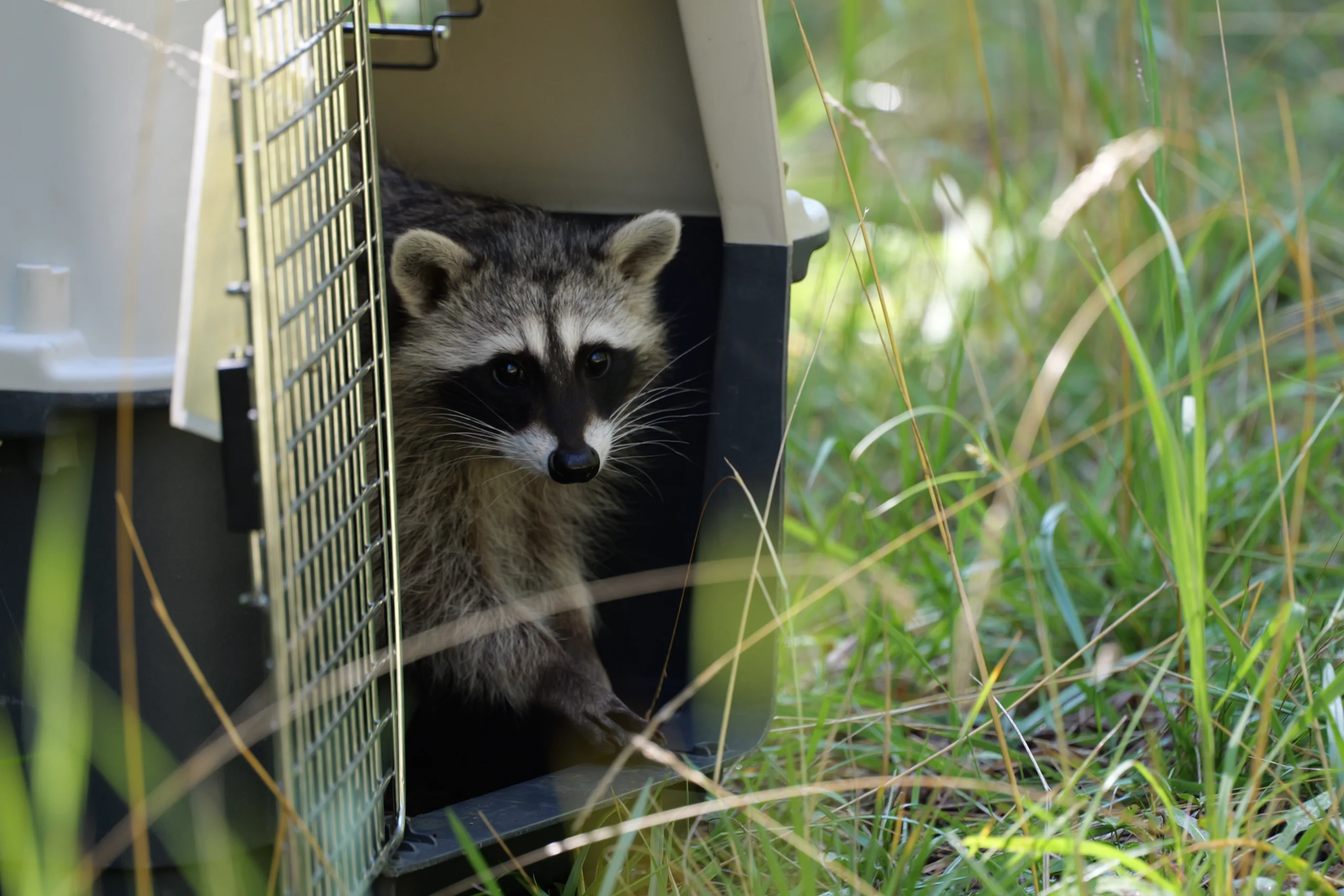
Our goal is always to release the animals in our care back into the wild. But what makes an animal releasable?
Wildlife rehabilitation is about more than helping an animal recover physically. Before an animal can be released, our team must be confident that it can survive independently in the wild and that we are setting up the animal for success.
Below are just a few of the factors our team considers. Every animal and every rehabilitation case is unique, so the care leading up to release is individualized to meet that animal’s needs. For some, that may mean spending additional time in our clinic or making several trips back for veterinary care to ensure an injury has healed properly. Others may benefit from being paired with another animal of the same species and of a similar age and size as they develop and practice natural behaviors. Rehabilitation takes time, observation, and adjustments along the way.
First, the animal must be healthy!
An animal needs to fully recover from its injury or illness and have the strength, mobility, and physical abilities needed to survive in its natural environment. Releasable wildlife should not become comfortable or dependent on humans, so precautions are taken throughout every stage of rehabilitation- even during hands-on medical care.
Natural behaviors are necessary.
Wild animals need the instincts and behaviors that help them navigate their environment, find shelter, avoid threats, and interact appropriately with other animals. Maintaining natural avoidance of people is an important part of preparing an animal for release, and is why SWCC takes additional steps such as not speaking in the Rehabilitation Area of the Sanctuary to avoid the animal becoming used to humans.
The animal must be able to live independently.
Ultimately, the question is simple: Can this animal survive without human care?
If the answer is yes, our team works to determine when and where the animal can be safely released. If an animal cannot meet these criteria- because of a permanent injury, illness, or history with humans, then it may become a permanent sanctuary resident instead.
Every animal’s rehabilitation journey is different, but the goal remains the same: to give releasable wildlife the care and skills they need to return to where they belong.
The generosity of our donors makes this work possible. From medical care and specialized diets to enclosures, enrichment, and daily care, every part of rehabilitation helps give wildlife the opportunity to return to the wild.
September, 2026