
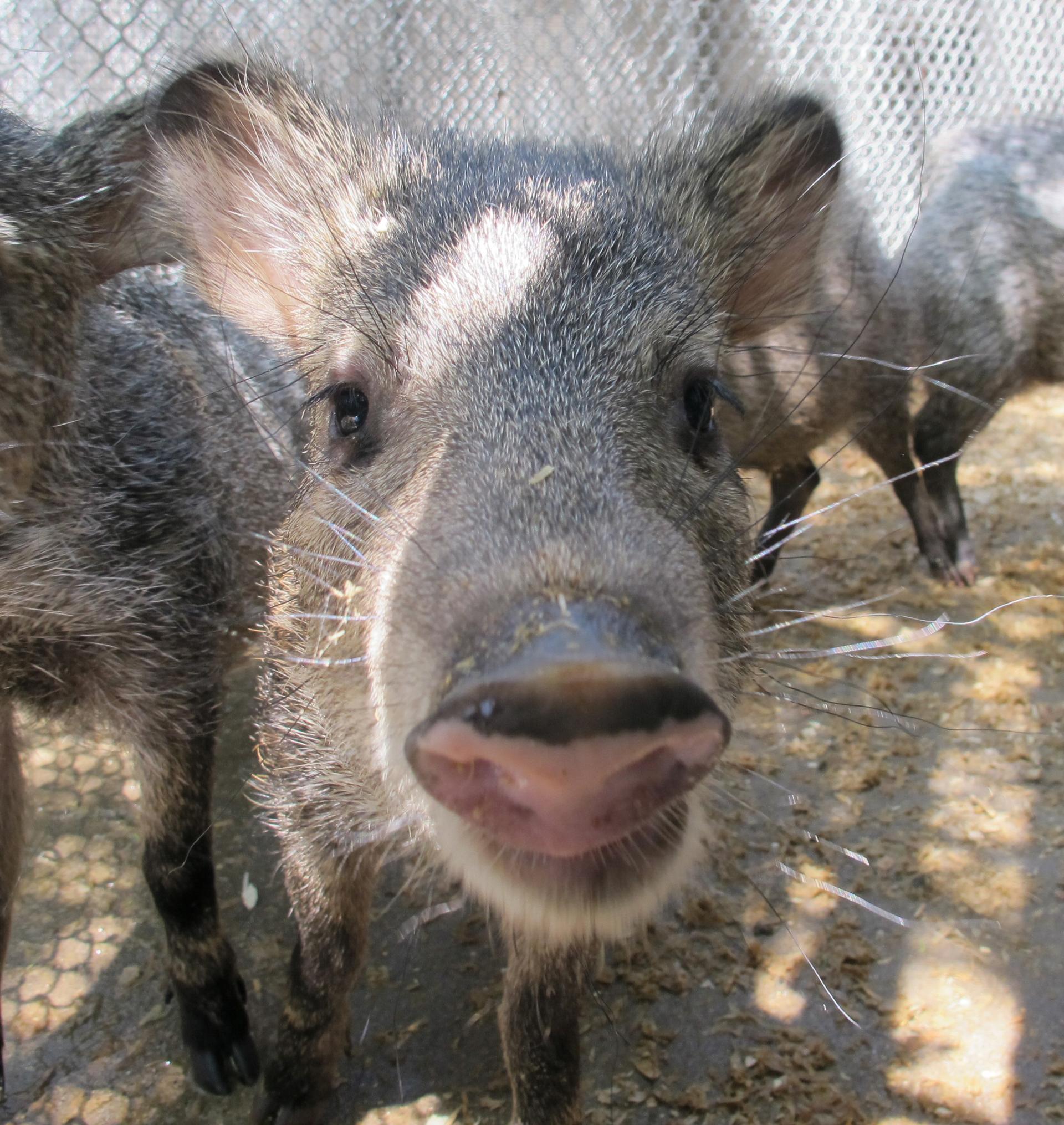
Javelina! If you’ve lived in Arizona for long, chances are you have seen them wandering through your neighborhood, on a golf course, or maybe you have even called our emergency line to help an injured one.
They’re an iconic part of the Sonoran Desert, and with Arizona’s rapid growth and development, it’s more important than ever to understand the wildlife we share our home with. They are often misunderstood or thought to be aggressive, but the more you learn about them, the more you will see just how unique and amazing they really are.
First things first: javelinas, also known as the collared peccary (Pecari tajacu), are not pigs. They belong to the family Tayassuidae and have been evolving separately for millions of years. Unlike pigs, javelinas have four toes on their front feet, a nearly invisible tail, and scent glands near their rump. They are nearsighted and rely on scent and sound to navigate the world. Those scent glands are key to communication, and members of the same herd, called a squadron, greet each other with what we call the “javelina handshake,” rubbing against each other to create a shared herd scent.
While javelinas may look intimidating, they are generally shy. They are prey animals, and their instinct is to protect themselves when threatened. Most conflicts happen when dogs are off-leash or when people feed wildlife. Coexisting with javelinas can be as simple as keeping pets leashed, securing trash, avoiding feeding wildlife, and considering landscaping alternatives to prickly pear and agave if you want to discourage visits. If you see a squadron, give them space and enjoy the sighting from afar!
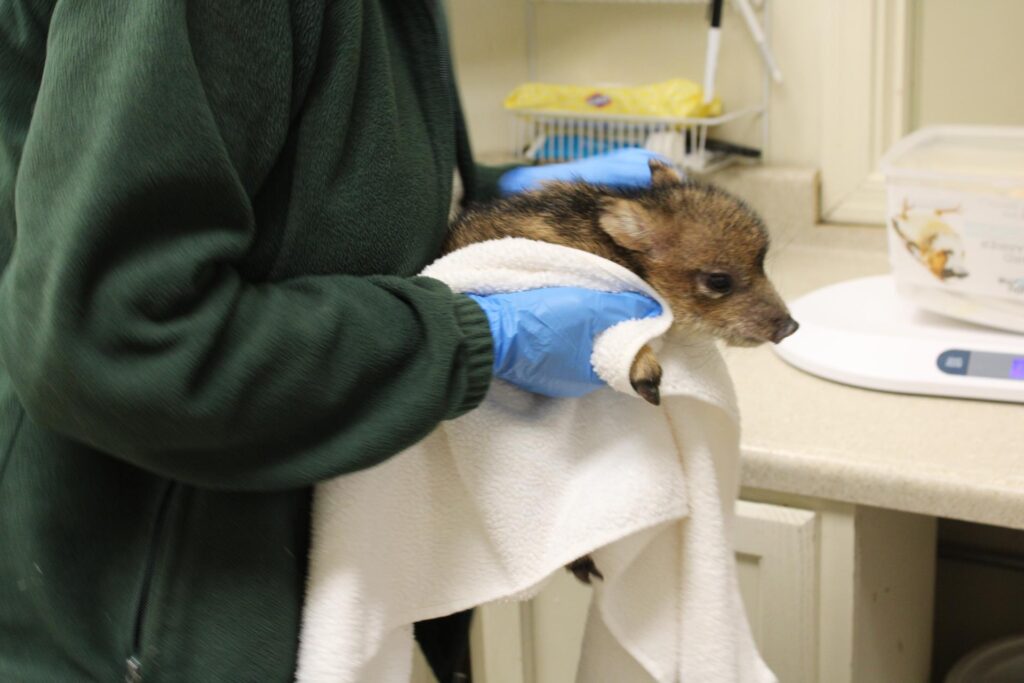
At SWCC, we care for orphaned and injured javelinas and help them form new squadrons before release. We are the only sanctuary in Arizona licensed by Arizona Game and Fish to do this work. When babies come in (baby javelinas are called reds), we group them with others their age. Once they’ve bonded and their scents have mixed, and they’re old enough, they’re released together as a family.
What Attracts Them?
Javelinas usually visit homes looking for food, water, or shelter. Food can include landscaping, flowers, and succulent plants like prickly pear. Birdseed and unsecured garbage are also big draws. Water sources such as pools, fountains, or even irrigation hoses can attract javelinas, and on hot summer days, they will dig into the dirt to cool off. For shelter, they look for shaded spaces where they can get relief from summer heat and warmth in winter.
Coexisting with Javelina
They’re notorious for eating people’s landscaping or getting into trash, but there are easy steps you can take to discourage javelinas from visiting your property. Install sturdy fencing or walls to keep them out of yards and away from flowers, shrubs, and water features. Pick up fallen fruit, secure vegetable gardens, and never leave pet food or water bowls outside overnight. Use garbage containers with tight-fitting lids and, if possible, put trash out right before pickup. Finally, close off hiding spots by shutting garage doors and blocking access to crawlspaces under homes, trailers, or cabins. These areas can look like perfect dens to javelinas and other wildlife.
Javelinas are part of what makes the Sonoran Desert so special. If you’re lucky enough to spot them, take a moment to appreciate these remarkable creatures safely from a distance!
November, 2025